Cart
0
You may also like
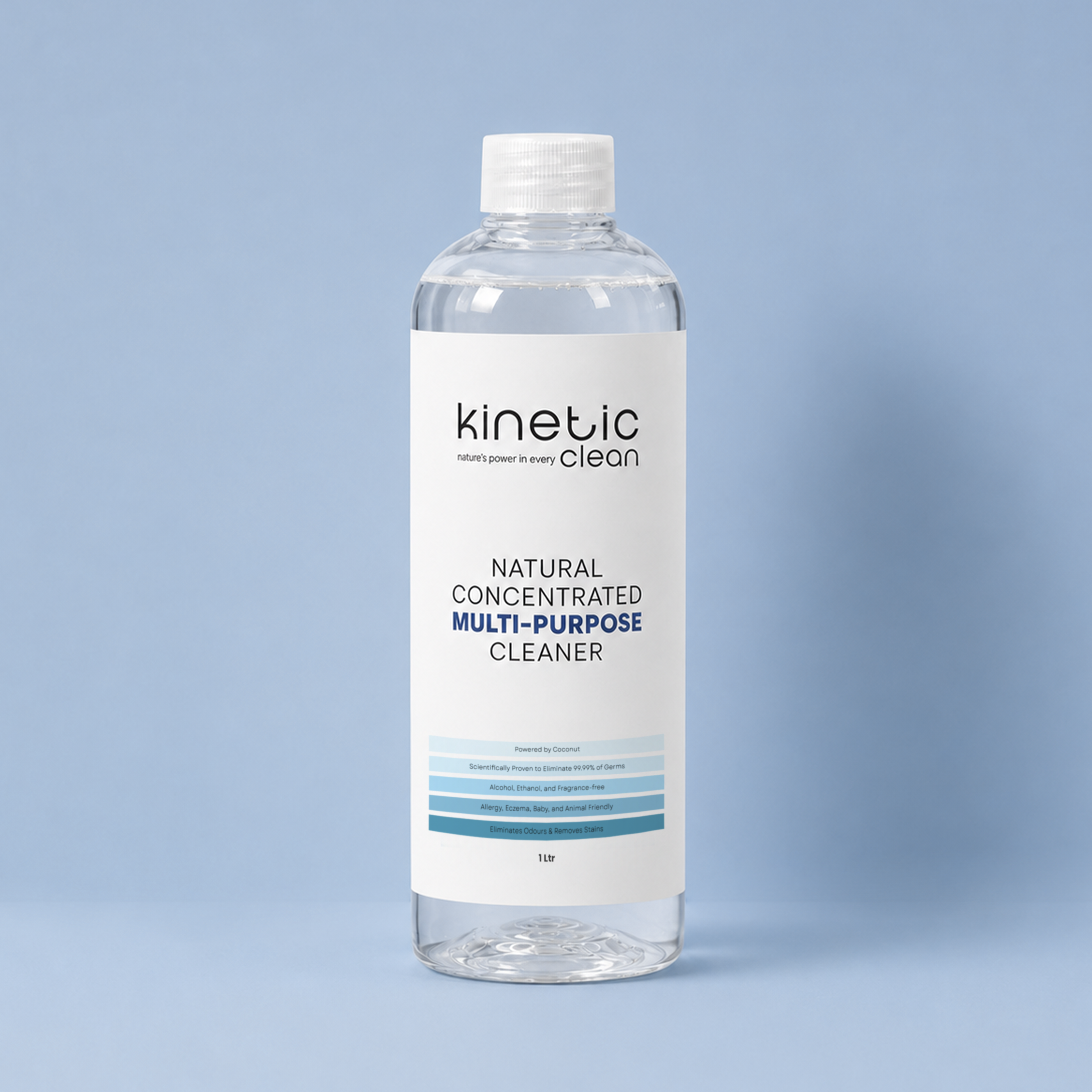



The best microwave cleaner without chemicals is steam. Heat a bowl of water with lemon, white vinegar or bicarbonate of soda until the cavity fogs up, let it sit, then wipe the softened grime away with a damp cloth. Steam does the loosening, so you need very little scrubbing and no spray with synthetic fragrance in an appliance that heats your food. For the wiping and everyday upkeep of the kitchen around it, we make a natural, non-toxic Multi-Purpose Concentrate free from synthetic chemicals, artificial fragrances and alcohols.
This guide gives you the full method, the fixes for smells and baked-on splatters, the safety rules, and a natural way to clean the fridge too.
A microwave is a closed box where food is heated, and anything you leave on the walls warms up with every meal. Many conventional cleaners rely on synthetic chemicals, artificial fragrances and alcohols that can irritate skin and lungs, and a strongly scented spray in a small enclosed space is hard to rinse out completely. Families with children, people with sensitive skin and anyone who reacts to fragrance have good reason to want something gentler.
There is also a practical reason. Manufacturers warn against harsh products on the inside of the oven. Panasonic’s care guidance says not to use a cleanser or bleach or to scrub strongly, because this can damage the interior wall coating. Wirecutter adds that ammonia or bleach cleaners can make the plastic parts of a microwave brittle. A gentle method protects the appliance as well as your household.
The kit is short, and you already own most of it:
Ideal Home lists the same essentials: a microwaveable bowl of water with lemon, vinegar or baking soda, and a cloth for wiping. The steam from the solution does the work before you start scrubbing.

Take out the turntable and any removable tray. Unplug the microwave if you are going to wipe around the vents or the control panel, and never spill water into the vents. Argos’s microwave manual cautions against spilling water into the vents and against abrasive or chemical substances.
Choose one method:
CATA Appliances suggests heating on full power for three to five minutes until the water is steaming. Ideal Home gives three to five minutes on high for the bicarbonate of soda mixture.
Leave the door closed for a further two to three minutes. This is the step most people skip, and it is where the steam softens dried-on food. Then remove the hot bowl carefully with oven gloves. The water can be hotter than it looks, so give the microwave time to cool before you reach in. Which? advises letting it cool before wiping.
Use a damp cloth on the ceiling first, then the walls, the door and its seal, and the floor last. Working top to bottom means crumbs and drips fall onto surfaces you have not cleaned yet. Wash the turntable separately in the sink, as Which? suggests, and dry everything before you put it back.
For a stubborn spot, hold a warm, damp cloth against it for a minute, then wipe again. If you reach for a scrubber, use a soft one. Steel wool and abrasive scourers damage the interior coating.
Wipe the inside with a dry cloth and leave the door open for a few minutes so any moisture or lemon or vinegar scent clears.
| Ingredient | Best for | What to know |
|---|---|---|
| Lemon | Everyday freshening, light splashes | Lemons contain citric acid, and the peel’s oils help with odors. Food Network explains that the acid cuts grease |
| White vinegar | Baked-on grease | Acetic acid breaks down hardened, baked-on grease, but heated vinegar has a sharp smell, so ventilate afterwards |
| Bicarbonate of soda | Odors and greasy film | A mild alkali that cuts through grease |
If you cannot decide, start with lemon. It is the gentlest on your nose and the easiest to use, and you can move to vinegar for a heavily soiled cavity.
One rule applies to vinegar: keep it to the inside. Wirecutter notes that vinegar and other acids can corrode metal, so use plain water on the outside. For a stainless steel exterior, HGTV suggests cream of tartar, which is mildly abrasive like bicarbonate of soda.
The ceiling is where grease spatters and steam condense, and it is the hardest area to see. Steam helps because it reaches the ceiling as well as the floor. After the sitting time, fold a damp cloth over your hand and press it upward against the ceiling rather than scrubbing. For awkward corners and the rim of the door, wrap a damp cloth around a butter knife or use a soft brush, and take care not to push crumbs into the vents.

If your microwave has a removable guide cover (a thin panel inside the top wall), check the manual before removing or wiping it, because the manufacturer’s instructions apply.
Smells come from food residue in the corners and seal, and from the plastic of the turntable. A few options:
For burnt popcorn, wipe the walls and seal first, then steam. The smell often sits in the door seal, which is easy to forget.
CATA Appliances recommends a quick wipe every few days and a proper deep clean once a week for daily use. Panasonic goes further and suggests cleaning after each use, wiping light dirt with a damp, soft cloth. A sensible routine for a busy home:
Covering bowls with a microwave-safe cover cuts the number of splashes and shortens every future clean.
If a microwave sparks, smells of burning when empty, or the door no longer seals, stop using it and contact the manufacturer or a qualified engineer.
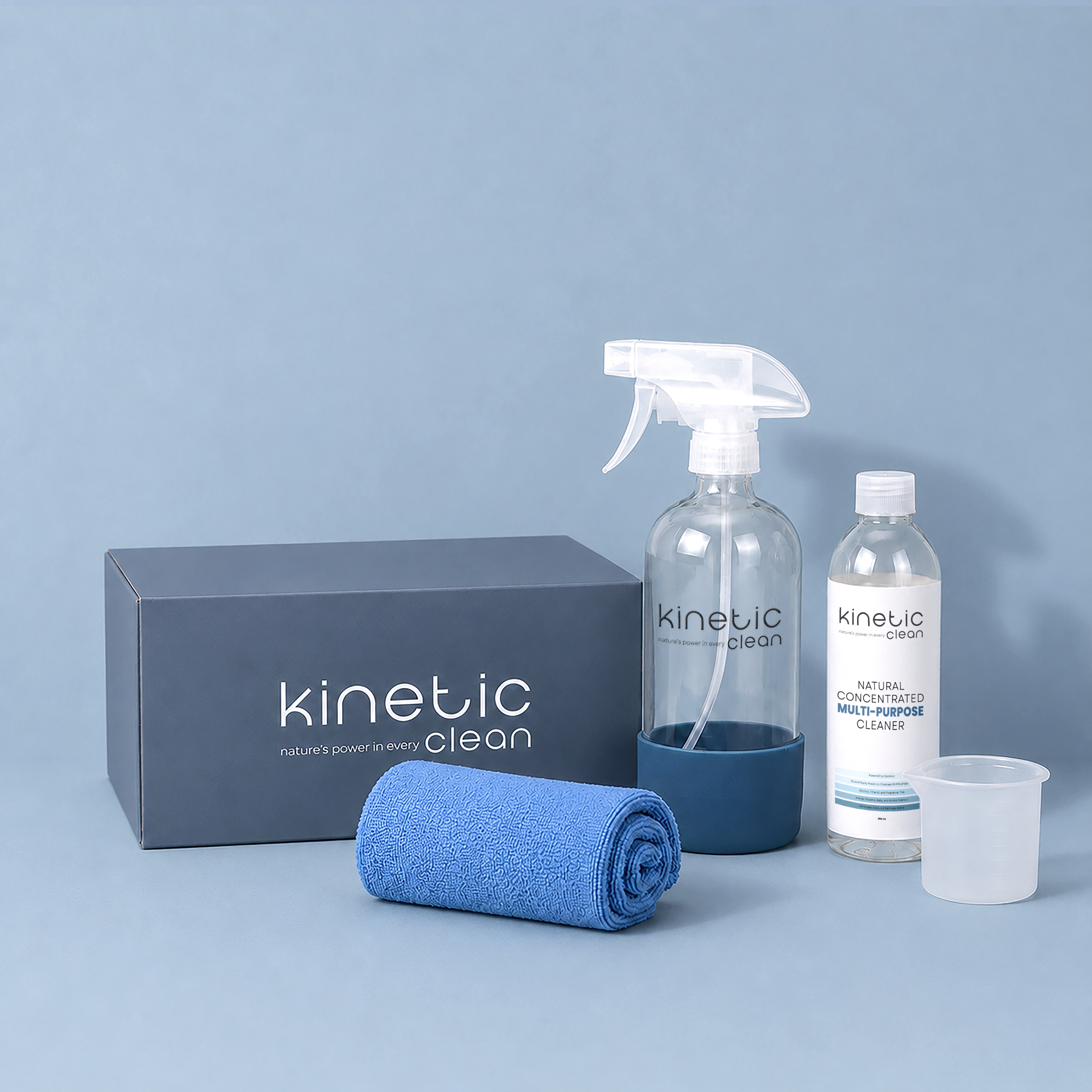
Steam softens the dirt, but something still has to wipe it away and keep the surfaces around the microwave tidy. This is where our approach starts: if you want families and sensitive households to avoid synthetic chemicals, artificial fragrances and alcohols, the whole routine should be gentle, not just the steam. Our Multi-Purpose Concentrate is a natural, non-toxic formula made without those ingredients, so the cloth you use around your kitchen carries nothing harsh into your home.
If you are unsure what a cleaner should do compared with a disinfectant, our guide on disinfectant vs cleaner explains it in plain terms. If a damp kitchen has left dark spots on seals, removing mildew without bleach covers the gentler route. And to understand why some natural ingredients cut grease, see our explanation of what an alkaline cleaner is.
People who want a chemical-free microwave usually want the same in the fridge, where the surfaces touch open food. The principle is the same: warm soapy water, a soft cloth and good drying.
Which? recommends a deep clean two to four times a year, with quick wipes of spills in between.
Avoid strong detergent sprays near food. Which? notes that the odor can linger on food, and LG warns that harsh abrasives or solvents can scratch the interior, damage seals or leave residues. Check the manufacturer’s guidance before using vinegar, since acidic cleaners do not suit every surface.
LG lists activated charcoal, dried used coffee grounds replaced fortnightly, and fresh lemon slices in a small open dish. Another option is a glass of bicarbonate of soda in a corner, changed every couple of weeks.
We started Kinetic Clean from a simple idea: if we would not put harsh chemicals on our skin, we should not use them to clean the places where we live and cook. That includes the microwave and the fridge, two appliances that sit right next to the food your family eats.
Steam is a good first step because it needs nothing but water and a lemon. The rest of the kitchen still needs cleaning, and that is where the choice of product matters. Many conventional cleaners rely on synthetic chemicals, artificial fragrances and alcohols that can irritate skin, lungs and overall well-being.
Our formulas are designed to be a gentler alternative: natural, non-toxic and free from synthetic chemicals, artificial fragrances and alcohols. For households with children or sensitive skin, that makes the weekly kitchen routine something you can do without worry.
TekHive
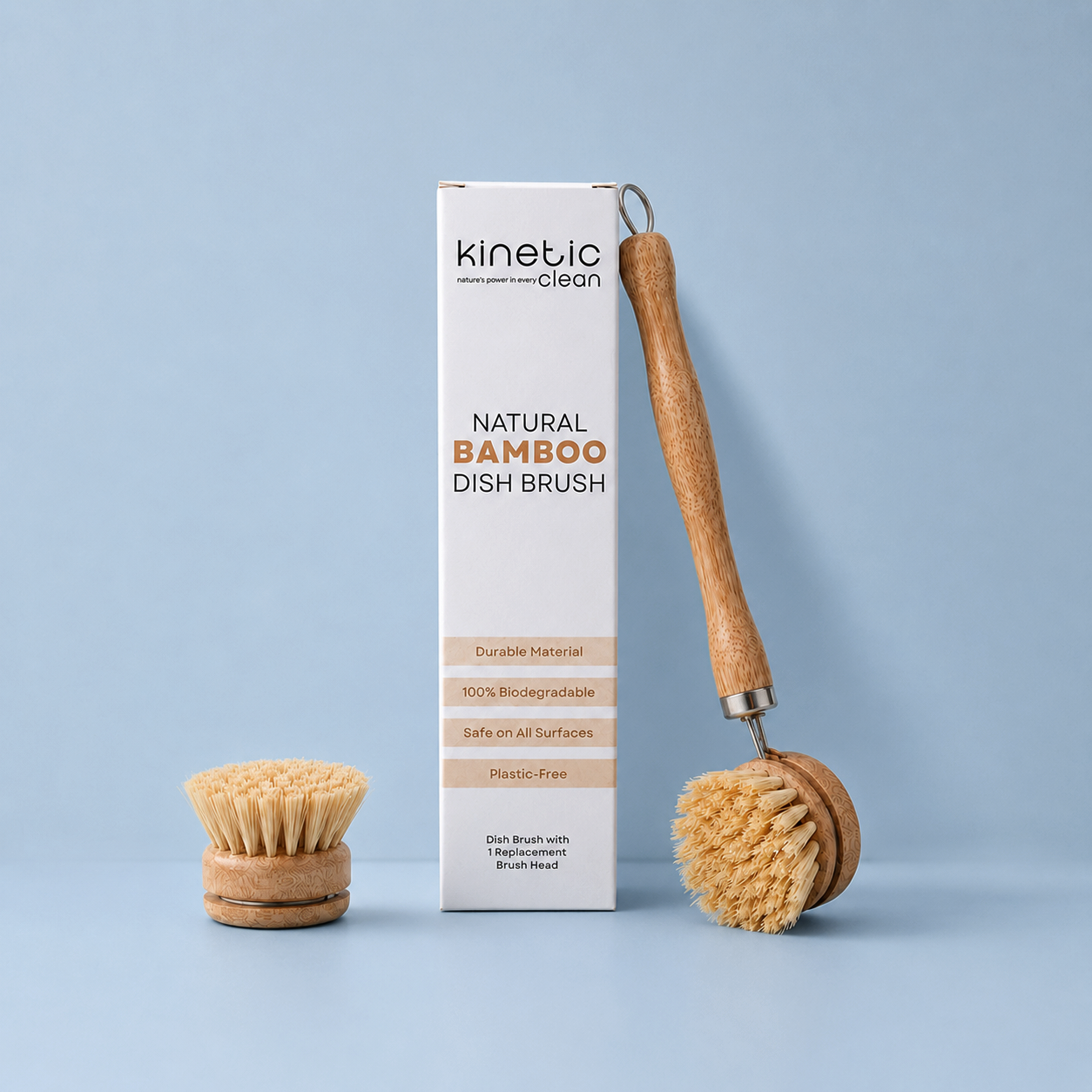
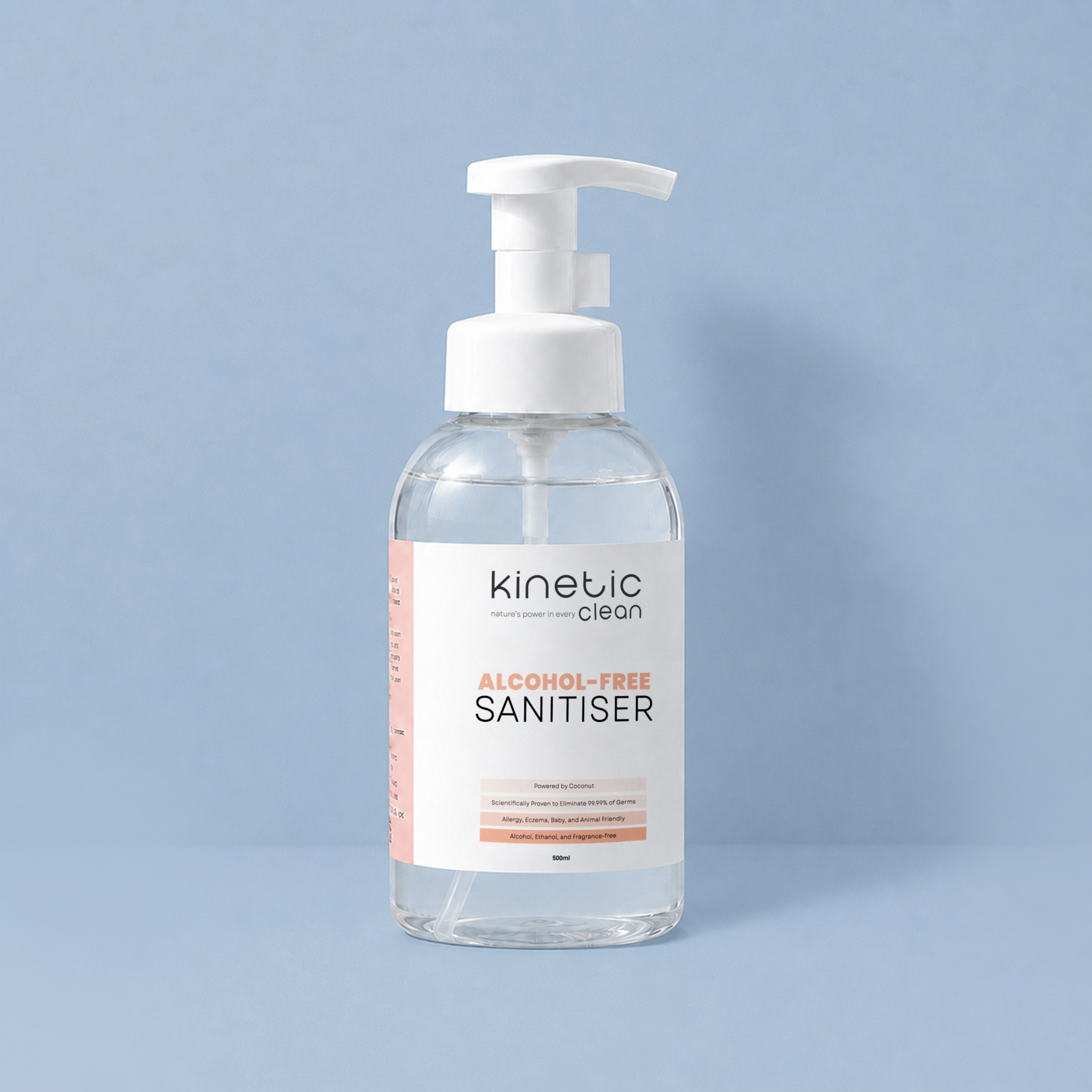
If you would like one natural, non-toxic routine for the microwave surround, worktops, fridge exterior and more, our Starter Bundle is the easiest way to begin. You can also see our full range, including the Multi-Purpose Concentrate, the Kinetic Clean Sanitiser and the Bamboo Dish Brush, on our shop.

Every product is made without synthetic chemicals, artificial fragrances and alcohols, so it is suitable for families and anyone who wants a safer clean.
Manufacturers generally advise against harsh cleansers and bleach inside the oven, because they can damage the interior coating. A damp cloth after steaming is enough for most dirt. Check your manual for what it permits.
Steam a bowl of water with lemon slices for about three minutes, wipe the interior and leave the door open afterwards. For strong smells such as burnt food, a vinegar steam or an overnight box of bicarbonate of soda can help.
Steam the cavity first so the grease on the ceiling softens. Then press a damp cloth upward against the ceiling and wipe from the top down, taking care not to push crumbs into the vents.
Wipe spills as they happen and do a full deep clean two to four times a year. Choose a time when the fridge is almost empty, and dry shelves and seals fully before putting everything back.